
The War in Iran: A Strategic Turning Point in Regional Security Architecture

Abu Dhabi: Defence MEA - Trends - CoContent
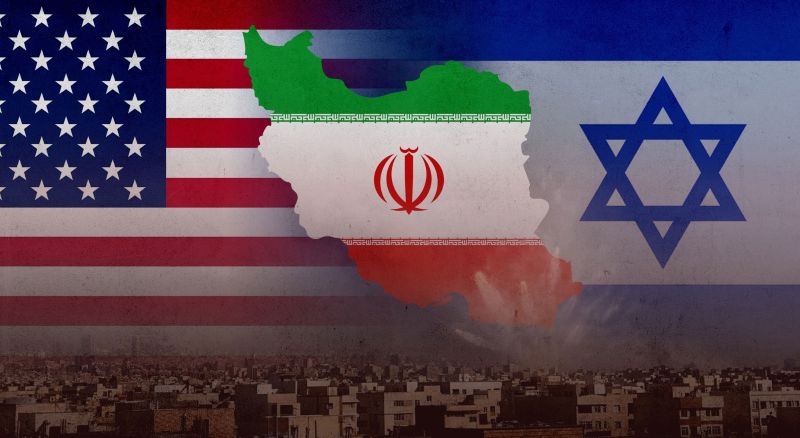
A new research paper issued by TRENDS Research & Advisory has described the military escalation that unfolded at dawn on 28 February 2026 as a highly dangerous strategic turning point in the trajectory of the regional conflict, with far-reaching political, security, and economic implications at both regional and global levels.
The study, titled “The War in Iran: Escalating Regional Tensions and International Repercussions,” was prepared by Aisha Khalfan Al Rumaithi, Principal Researcher at TRENDS. It examines the large-scale aerial operation carried out by the United States and Israel against Iran, described by the attacking parties as a pre-emptive strike.
Scope and Operational Impact
According to the study, the operation targeted approximately 500 sensitive military and governmental sites, including command headquarters of the Islamic Revolutionary Guard Corps (IRGC), air defense systems, and missile and drone launch facilities. The strikes reportedly resulted in the killing of Iran’s Supreme Leader, Ali Khamenei, along with several senior military commanders.
The escalation followed multiple rounds of diplomatic negotiations in Muscat and Geneva, mediated by the Sultanate of Oman, which had sought to revive a new nuclear agreement framework. The abrupt shift from negotiations to open confrontation underscores what the study describes as the fragility of diplomatic pathways amid rising strategic mistrust.
Iranian Response and Expansion of the Conflict
The study notes that Iran’s response was swift and multi-layered, involving ballistic missile and drone attacks targeting Israel and U.S. military installations in the region. The confrontation subsequently expanded to include strikes affecting territories in several Gulf states, including Bahrain, Qatar, the United Arab Emirates, Kuwait, Saudi Arabia, and Oman.
TRENDS characterized this geographical expansion as a serious escalation, arguing that targeting states that had publicly declared neutrality and opposition to the use of their territories in military operations risks widening the conflict and undermining regional confidence-building efforts developed in recent years.
The study further argues that such developments may accelerate the formation of new regional deterrence arrangements and justify a reinforced external military presence across critical Gulf theaters.
Divergent Global Reactions
At the international level, the study highlights a clear divergence in political responses. While some Western actors viewed the U.S.-Israeli action within the framework of anticipatory self-defense, the European Union and several other states expressed concern regarding escalation risks and regional destabilization.
Russia and China condemned the strikes, describing them as violations of international law and calling for respect for state sovereignty and the principles of global security and stability.
Leadership Shock and Institutional Resilience
One of the study’s most significant analytical points concerns the killing of Iran’s Supreme Leader. While acknowledging the magnitude of the shock to the political system, the report argues that the institutional architecture of the Iranian state—particularly the entrenched role of the IRGC—may prevent immediate systemic collapse.
The formation of interim leadership mechanisms and the consolidation of security authority could enable continuity during a transitional phase, though the long-term internal balance of power remains uncertain.
Strategic and Economic Implications
The study warns that the widening confrontation exposes the fragility of the region’s security architecture, particularly with regard to air and maritime navigation. Special emphasis is placed on the strategic vulnerability of the Strait of Hormuz, a critical artery for global energy flows.
Any sustained disruption to maritime routes or energy exports could generate immediate repercussions for international energy markets, supply chains, and broader global economic stability.
A Region at a Crossroads
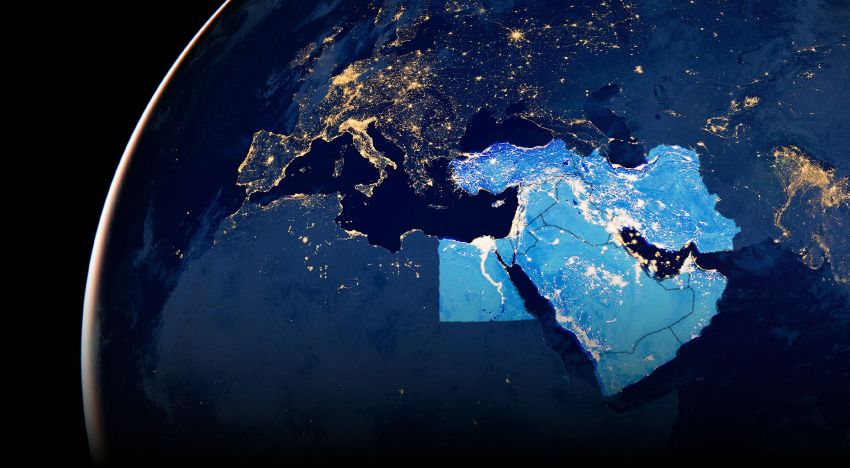
The report concludes that the U.S.-Israeli attack marks a decisive moment in the history of the regional conflict. However, the subsequent expansion of hostilities raises the stakes considerably, placing the Middle East at a critical crossroads.
The region now faces two divergent trajectories: a slide into a broad, multi-front regional war, or a difficult but necessary return to diplomatic engagement aimed at containing escalation, safeguarding sovereignty, and preventing prolonged economic and security fallout.
Comments (0)
No comments yet. Be the first to comment!