News & Coverage
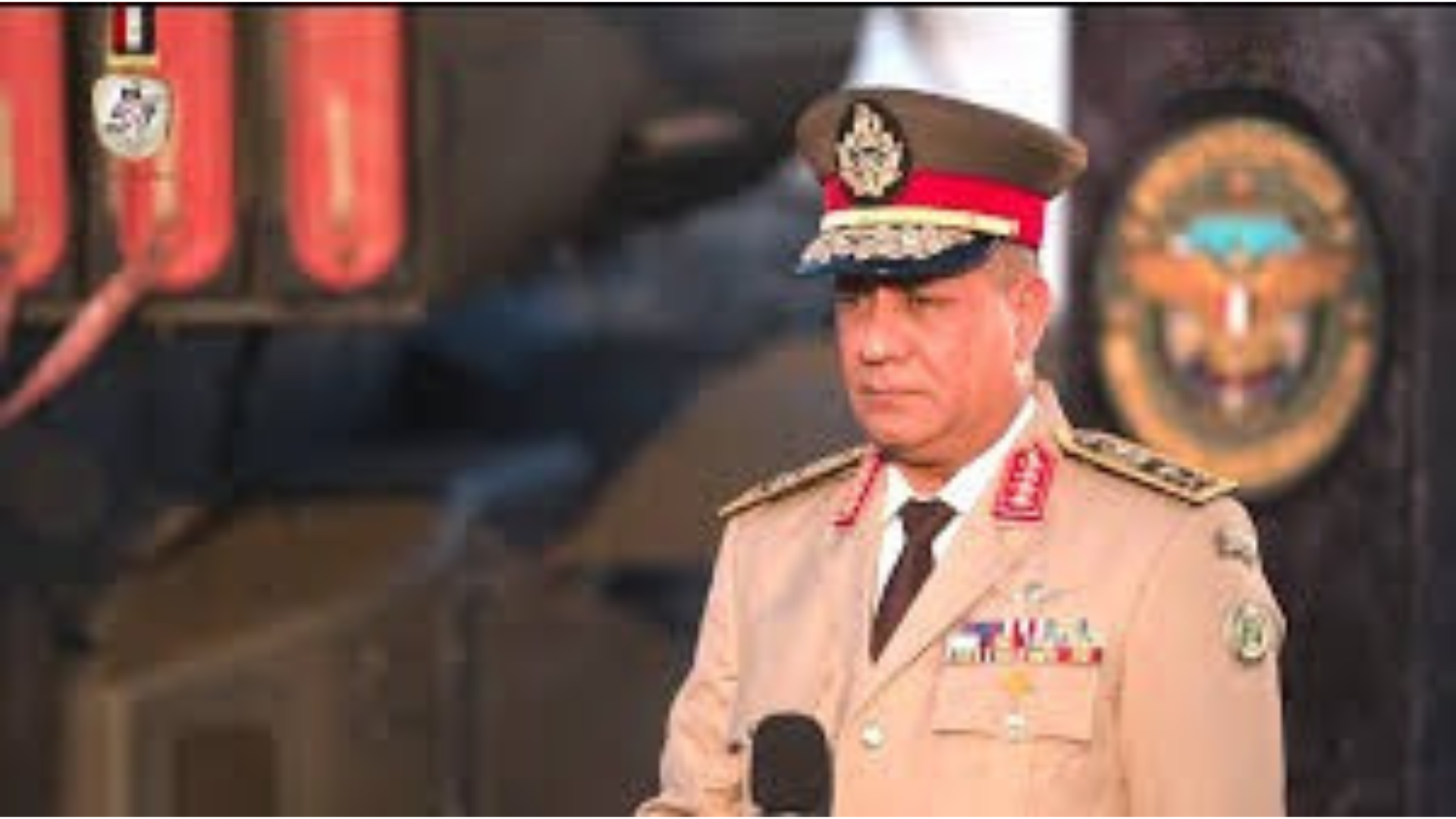
Biography of Lt. Gen. Ashraf Salem Zahir, Egypt’s New Minister of Defense
The kick-off meeting for the second phase of the European Next Generation Rotorcraft Technologies (ENGRT II) project took place on 29 January 2026 in Brussels. The three-year development initiative aims to deliver next-generation rotorcraft by 2030, exploring advanced configurations such as compound and tilt-rotor architectures to optimise speed, range and payloads.
Building on the successes of its predecessor, ENGRT, this project pushes the boundaries of innovation across several key domains. ENGRT II integrates AI-driven interfaces, cognitive cockpits, and crewed-uncrewed teaming, thereby embracing cutting-edge innovation essential for modern defence systems. By maturing these technologies today, the project ensures that European armed forces will have access to the most advanced vertical-lift capabilities when needed.
ENGRT II was selected under the European Defence Fund (EDF) 2024, with a total budget of €160 million and a maximum EU contribution €100 million, making it one of the projects receiving the highest EDF funding contributions. The consortium, led by Airbus Helicopters and Leonardo Helicopters, consists of 53 companies, research institutions and SMEs from across Europe. The project is supported by 13 Member States.
Next steps
ENGRT II’s roadmap focuses on long-term operational needs. It aims to replace and complement current military rotorcraft fleets after 2040. This horizon will translate today’s research into high-performance military assets for the future.
February 16, 2026
•
1,642